

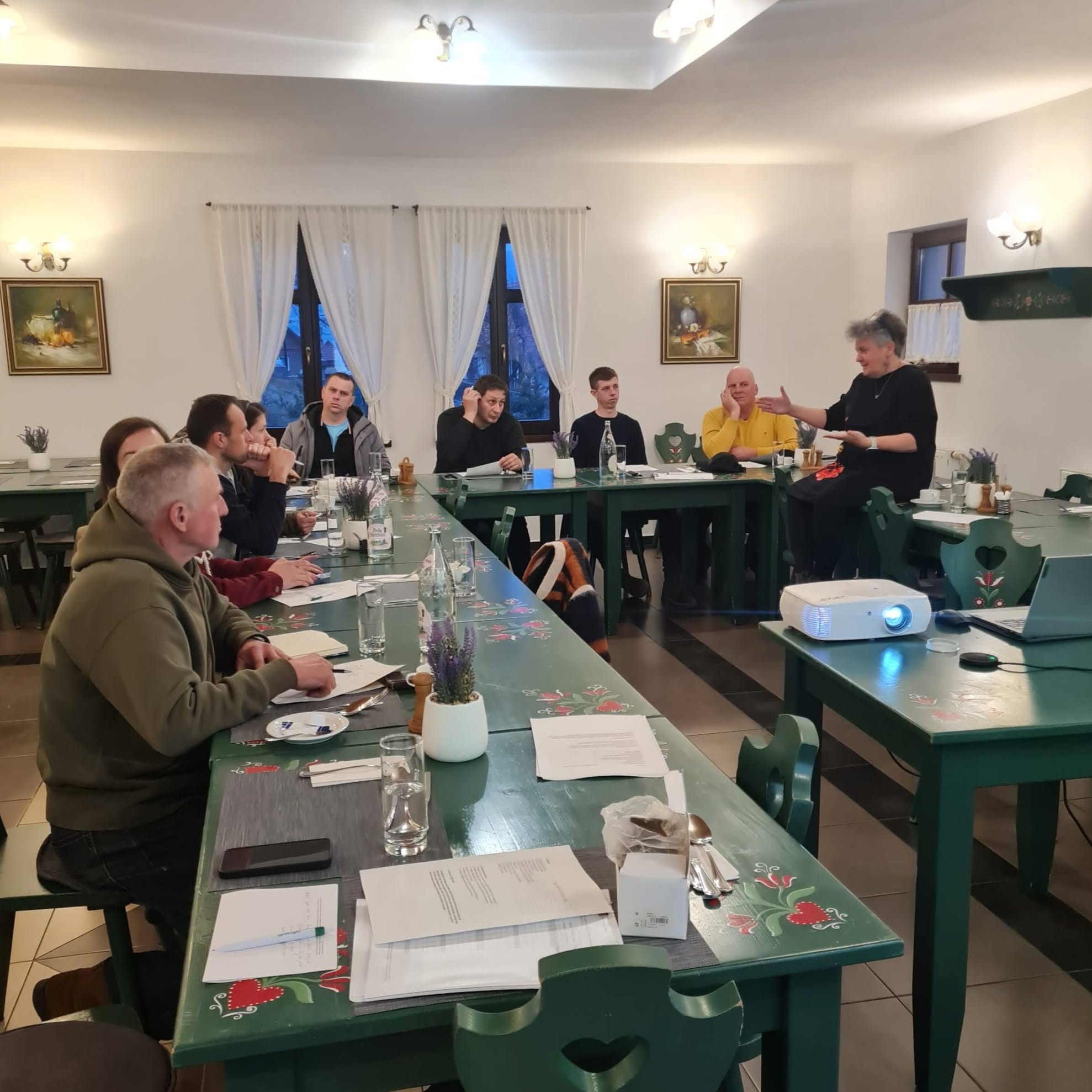
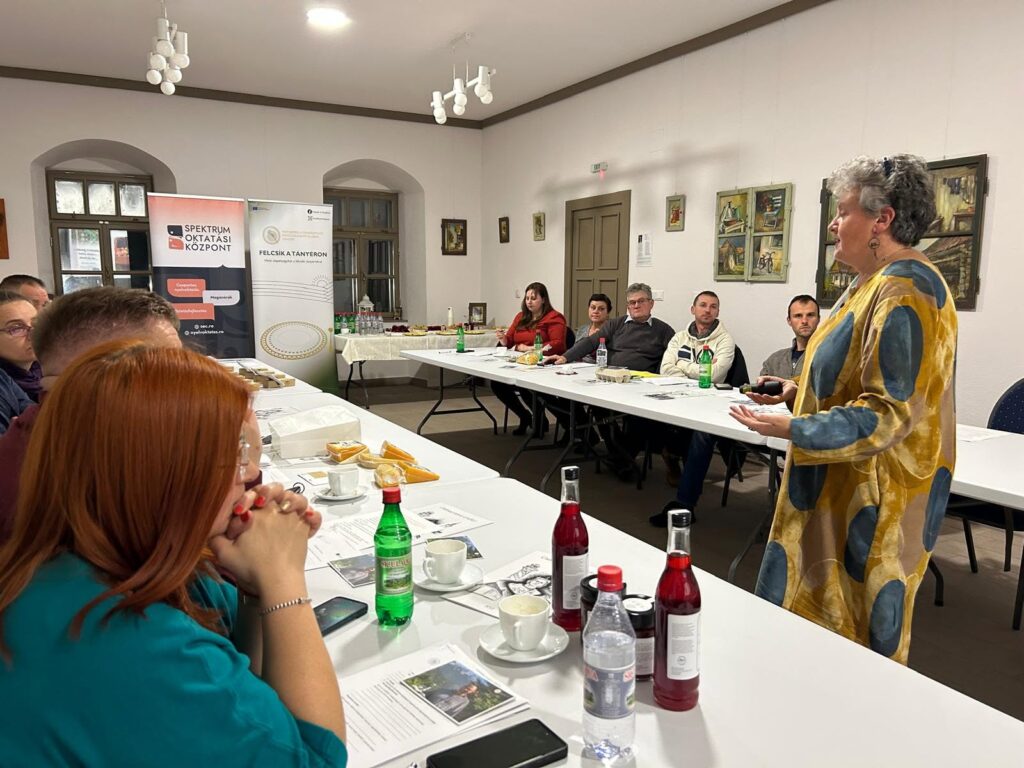
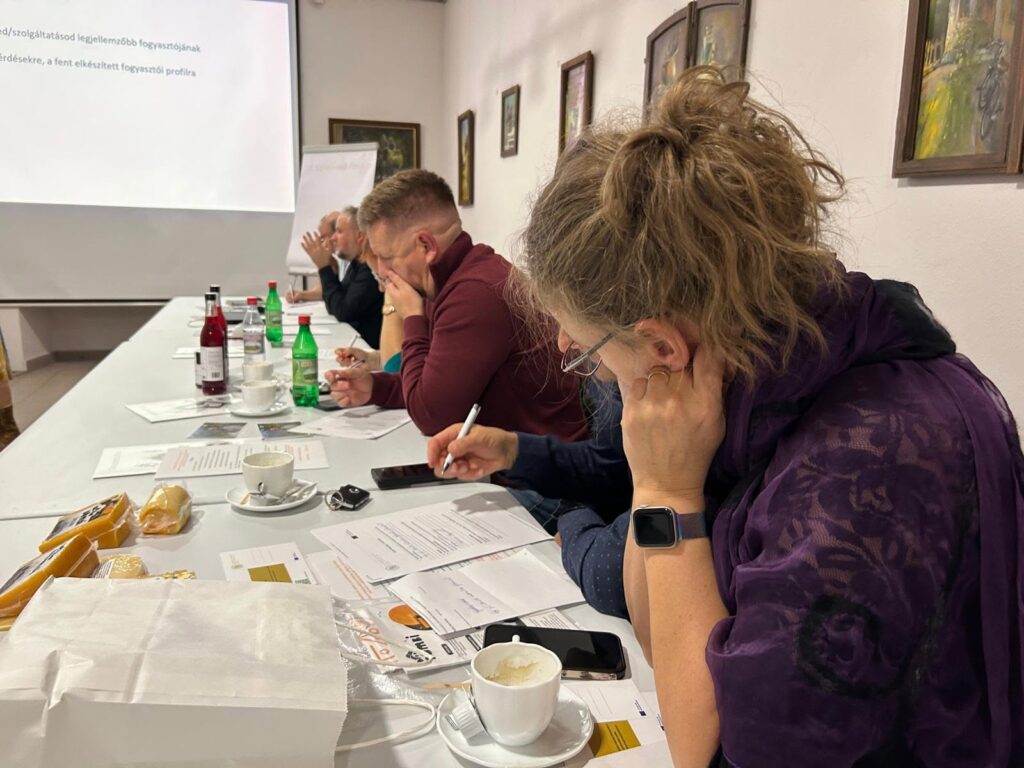
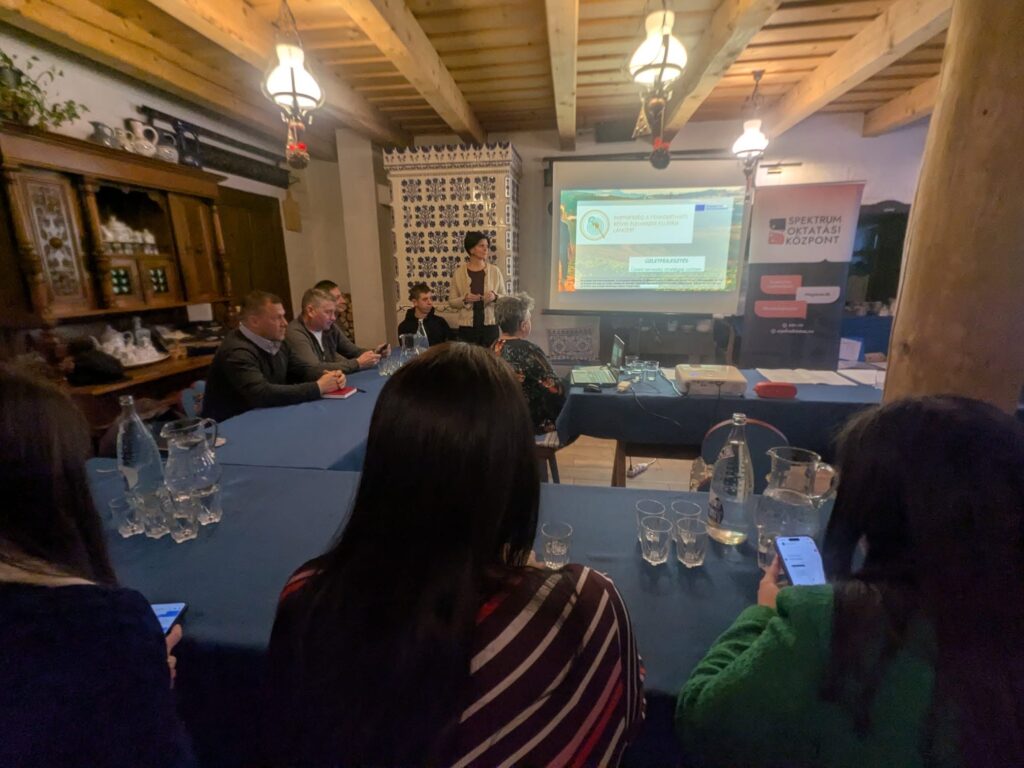
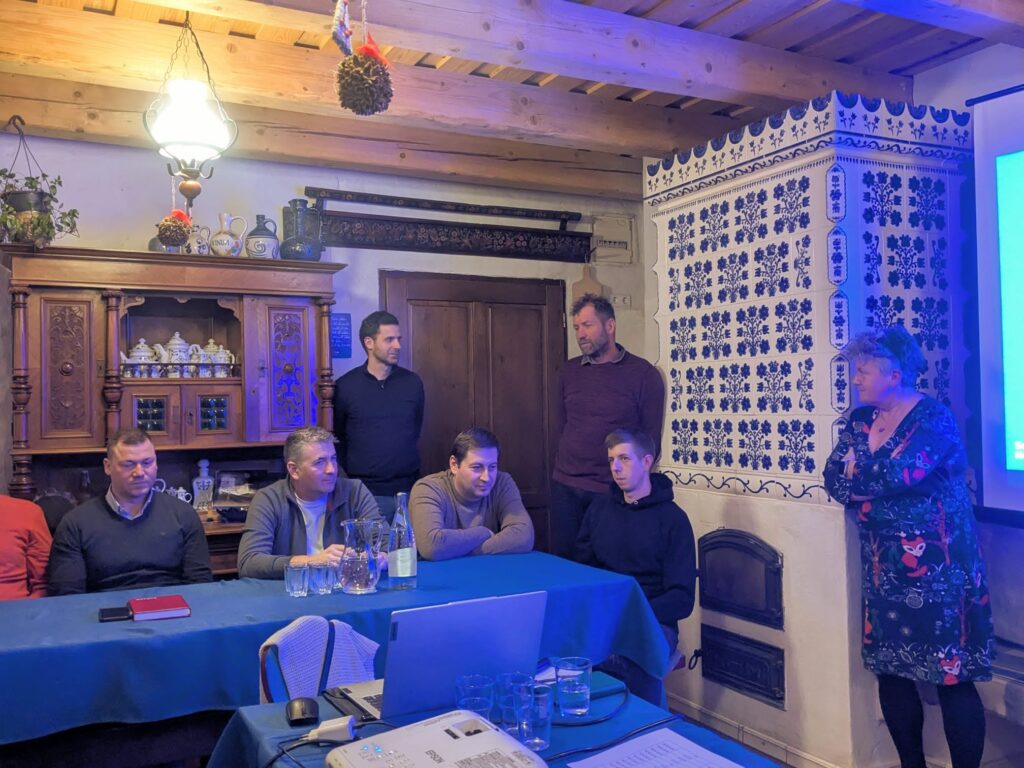
As part of the LEAP Erasmus+ project, a four-part workshop series was organized to provide practical knowledge, inspiration, and networking opportunities for actors in short food supply chains (SFSCs). Participants explored topics central to developing local food systems, including environmental sustainability, marketing and communication, business development, and logistics.
More than 80 participants attended, including local farmers, food processors, hospitality representatives, small shop owners, SFSC organizers, and rural development professionals. The collaboration among participants with diverse backgrounds demonstrated that the development of local food systems is only successful through cooperation.
Sustainability in Practice
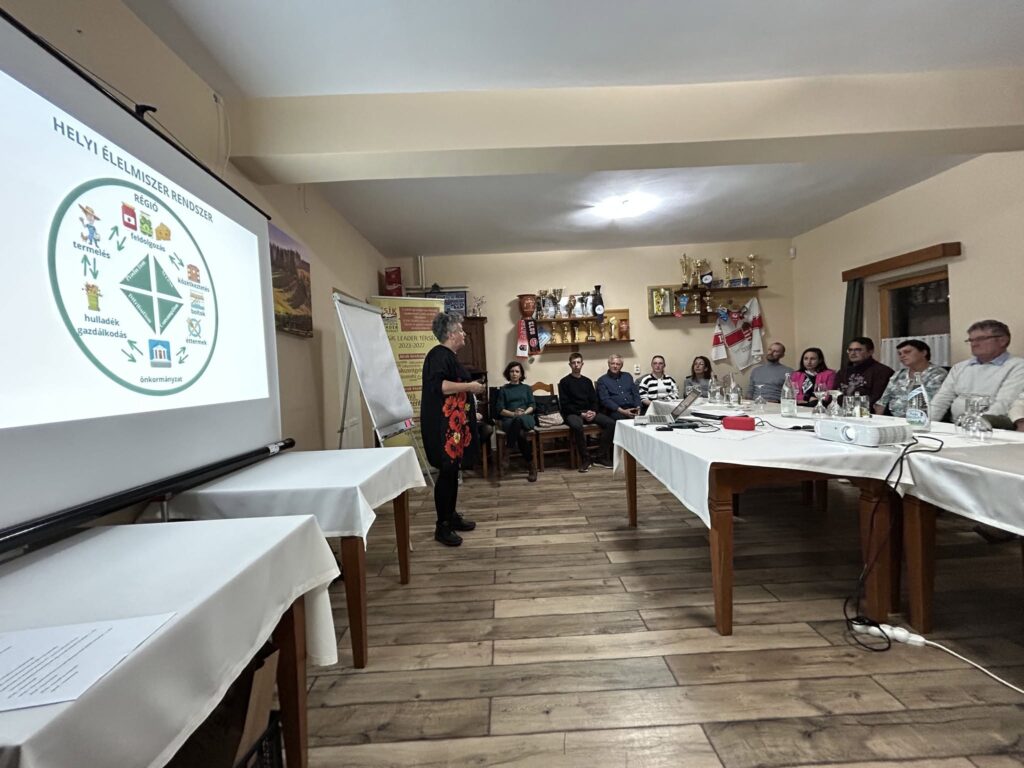
The first workshop focused on environmental sustainability. Participants explored how local production and consumption systems can become more sustainable, the benefits of short supply chains, and opportunities for producers and businesses to reduce environmental impact. Discussions highlighted that using local ingredients, embracing seasonality, and fostering cooperation creates value not only environmentally but also economically and socially.
Reaching Consumers
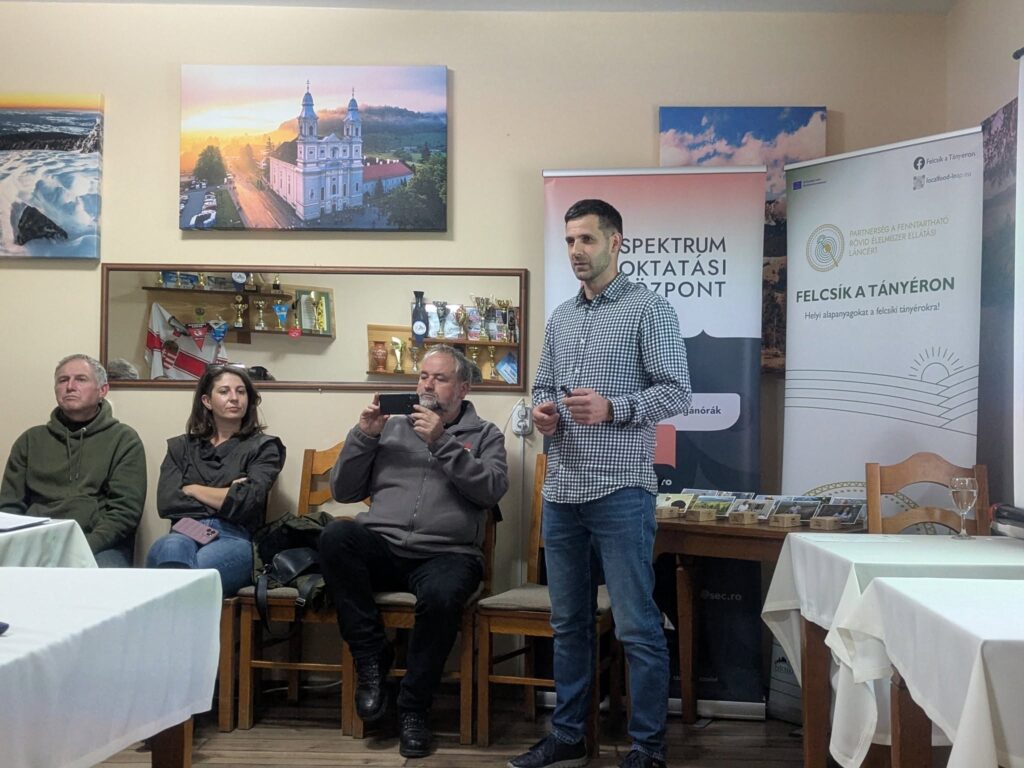
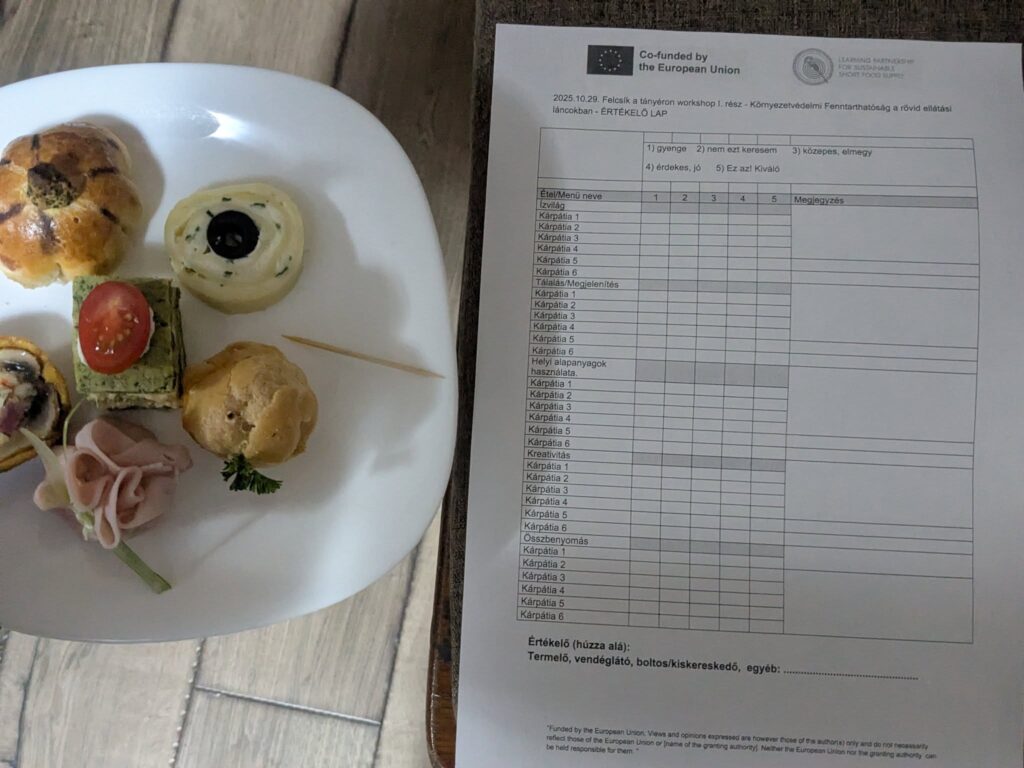
The second workshop addressed marketing and communication. Successful local products require not only high-quality production but also that consumers understand the producers’ stories, values, and offerings. Topics covered included defining target audiences, brand building, storytelling, and using both online and offline communication tools. Special attention was given to labels, certifications, and unique value propositions to enhance the visibility of local businesses.
Business Planning and Vision
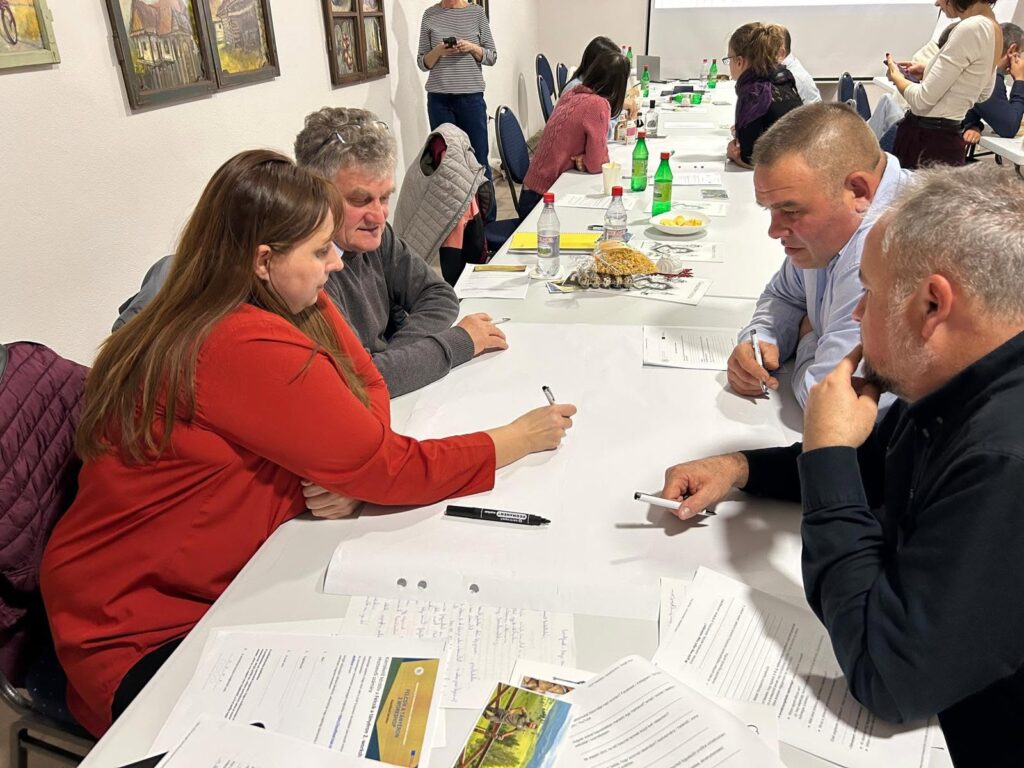
The third workshop focused on business development and planning. Participants analyzed their businesses using the Business Model Canvas, identifying strengths, areas for growth, and potential partnerships. New ideas and collaborations emerged, emphasizing that successful local businesses not only produce products but also consciously build relationships, value propositions, and long-term strategies.
From Producer to Consumer
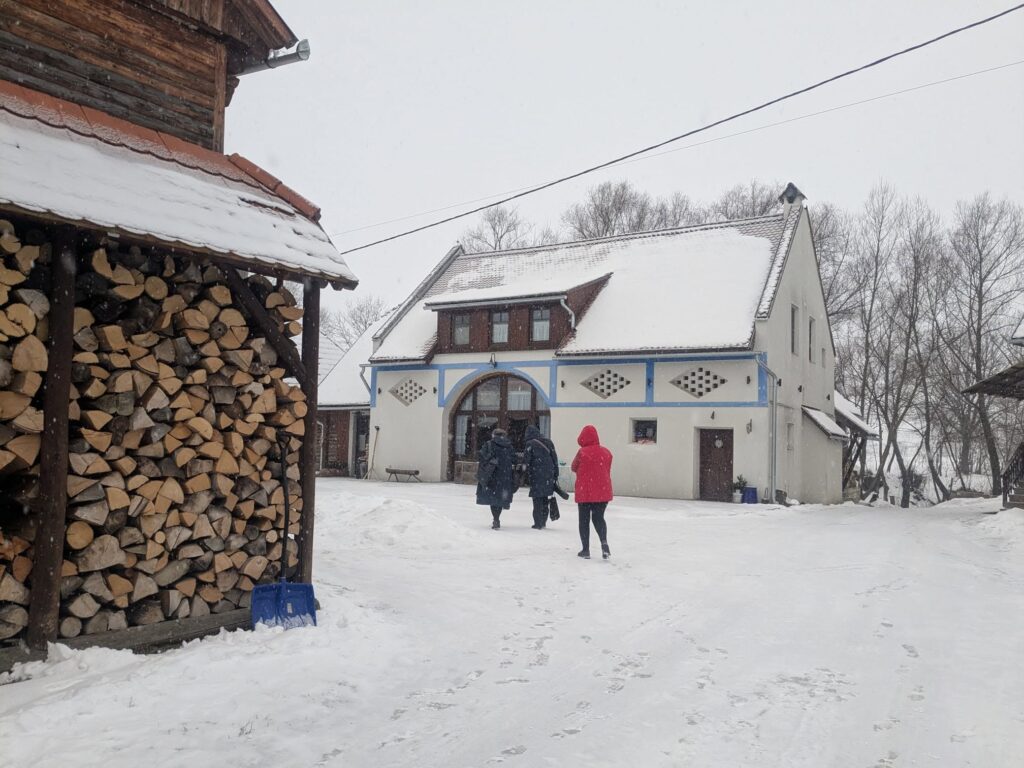
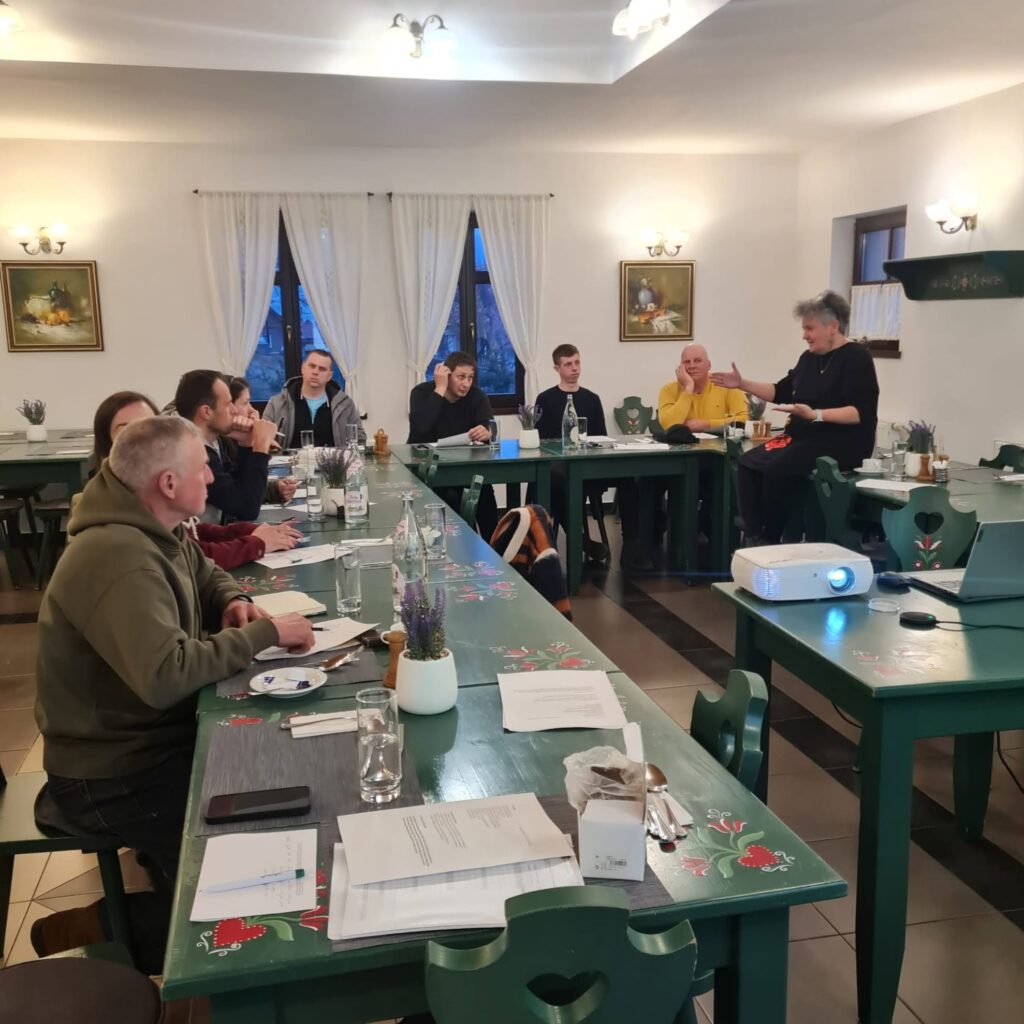
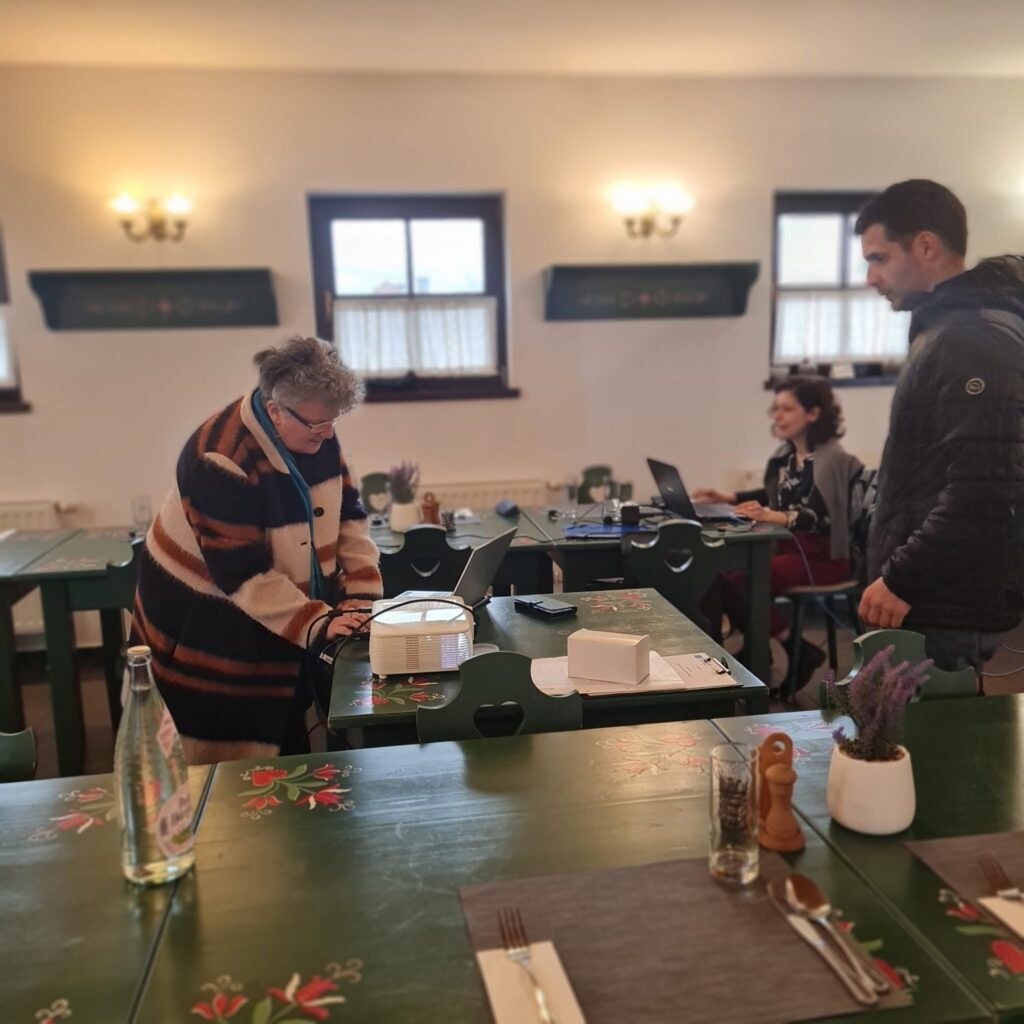
The final workshop examined the logistics of short food supply chains. Participants discussed how to efficiently deliver local products to consumers, hospitality venues, and communities. Key topics included collaborative logistics models, shared transportation and sales solutions, and international examples that could guide local actors. Peter Bajor also joined online to share insights from the project’s logistics mapping and relevant regional development opportunities.
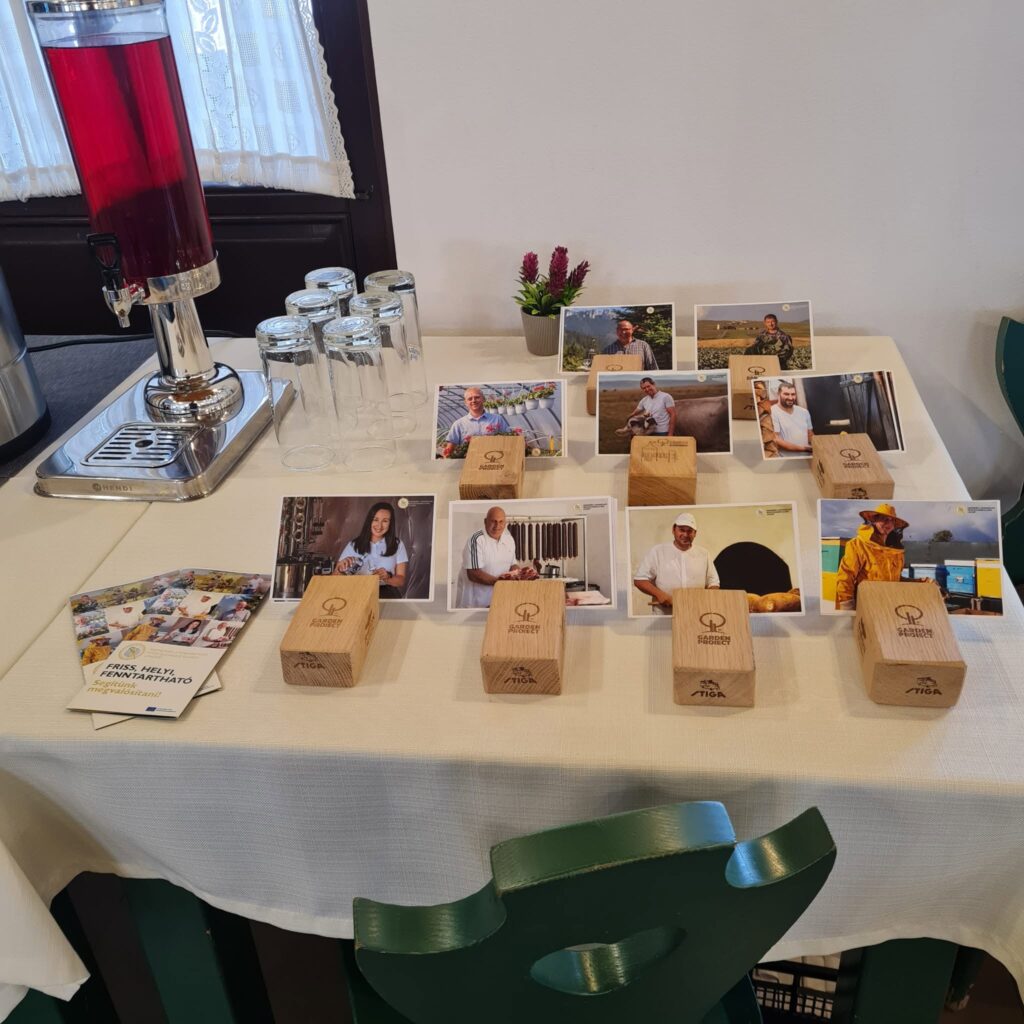
More Than Training: Community Building and Cooperation
The main outcome of the LEAP workshops was not only knowledge transfer. The meetings provided opportunities for different local food system actors to connect, build relationships, and collectively reflect on the future of their region. Over the four sessions, it became clear that developing short food supply chains requires cooperation among producers, processors, hospitality providers, retailers, and development professionals, guided by shared values of local identity, sustainability, and trust.
The LEAP workshop series supported this collective learning and cooperation process, contributing to the long-term development of local food systems.

Funded by the European Union. Views and opinions expressed are however those of the author(s) only and do not necessarily reflect those of the European Union or the European Education and Culture Executive Agency (EACEA). Neither the European Union nor EACEA can be held responsible for them.