
Welcome to the 4th issue of the CUES newsletter!
Welcome to the 4th issue of the CUES newsletter. This edition highlights recent research findings, co-creation activities, interventions, and policy engagement across the project.
Along with updates from project meetings, events, and collaborations that are shaping CUES ongoing work on transparency, sustainability, and trust in food systems across Europe.
Insights from Research
This has been a busy and productive period for CUES, with partners delivering significant research results. Our partner from KU Leuven published a scoping review showing how digital food environments—such as apps, social media and e-commerce platforms—can shape consumers’ sustainability perceptions, attitudes and behaviours.
Our partner from Erasmus University Rotterdam contributed two complementary studies:
- a cross-cultural qualitative paper examining resistance to plant-based diets and sustainability messaging, and
- a large-scale survey across five European countries highlighting how personal cultural values, such as tradition, influence attitudes toward sustainable food consumption.
In parallel, the CUES Baseline Survey has been completed with responses from 300 agri-food organisations, and analysis is now underway to explore digital readiness, adoption drivers and barriers.
Assessing the digital, media, and physical food environment
CUES is using photovoice studies to examine how sustainability messages are encountered in digital and physical food environments. Led by KU Leuven, the digital and media study collects online content on sustainable and plant-based foods from consumers (with a specific focus on vulnerable populations) across eight European countries and discusses these materials in focus groups.
In parallel, the University of Valencia leads a study in physical settings, using photographs of everyday sustainability messages to assess communication effectiveness, barriers, and opportunities for improvement.
Co-designing Innovative and Inclusive Interventions
Within this semester, CUES partners have completed a series of co-creation workshops in Iceland, Hungary, Italy and Greece, bringing together food producers, retailers, consumer organisations and other key actors to co-create concrete ways to make food value chains more transparent, traceable and trustworthy.
Across all four countries, the co-creation process shifted the focus from individual product claims to system-level transparency and shared responsibility, recognising benefits for both consumers and value chain actors.
These insights will guide the ongoing activities in CUES, including the development of the communication toolkit and digital intervention to strengthen transparency in everyday practice.
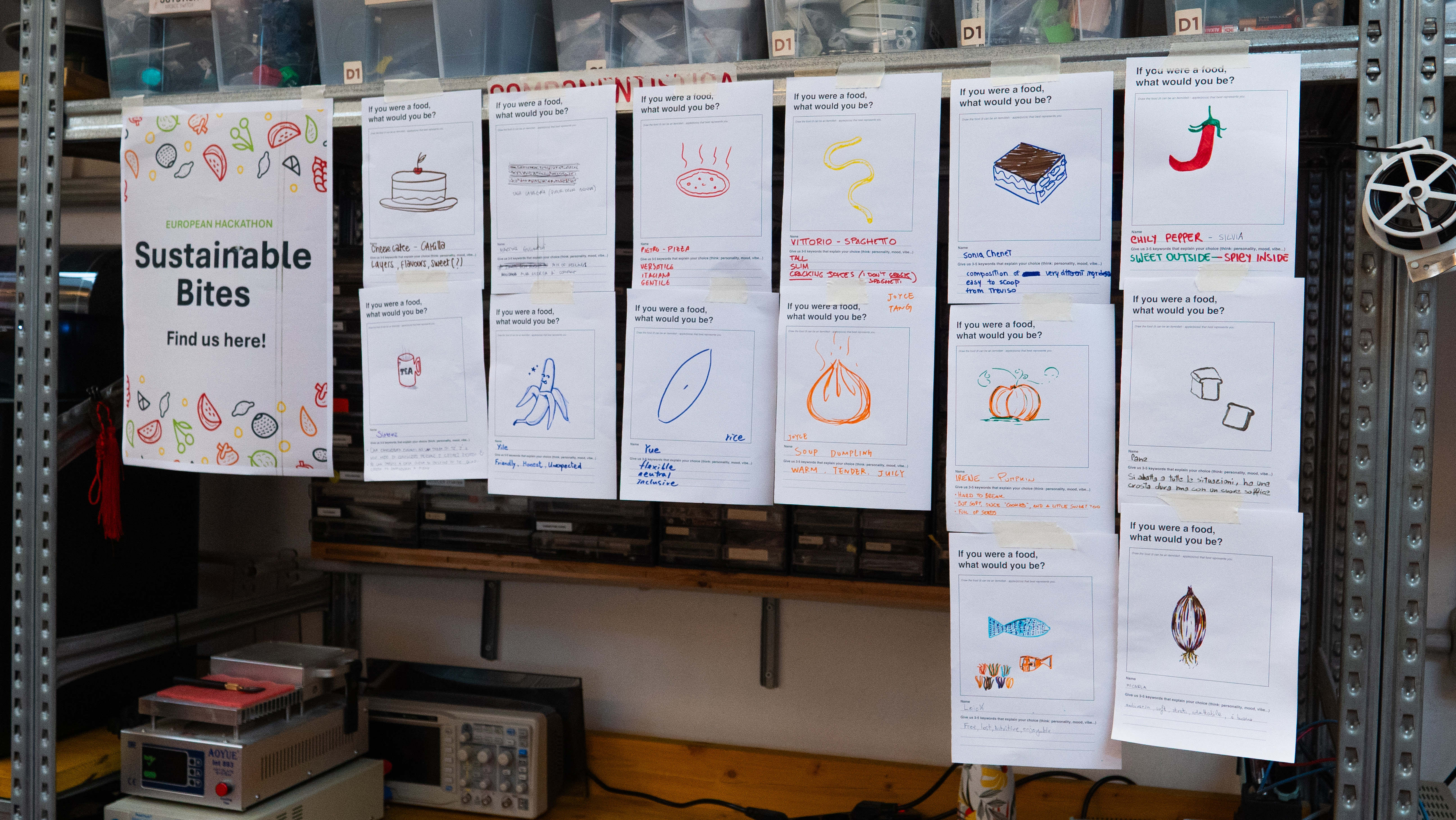
“Sustainable Bites Hackathon”
The intervention “Sustainable Bites Hackathon” organised by OpenDot focused on improving access to food sustainability information in the digital environment for people aged 65 and above. Participants collaborated in teams to tackle challenges, aiming to create innovative, inclusive, and user-friendly solutions that can empower older generations.
It was conducted in simultaneously in Milan, Wageningen, and Budapest, and the results were expected to be translated into design strategies that will be tested in both rural and urban settings to assess differences and potential impact.
Policy Insights
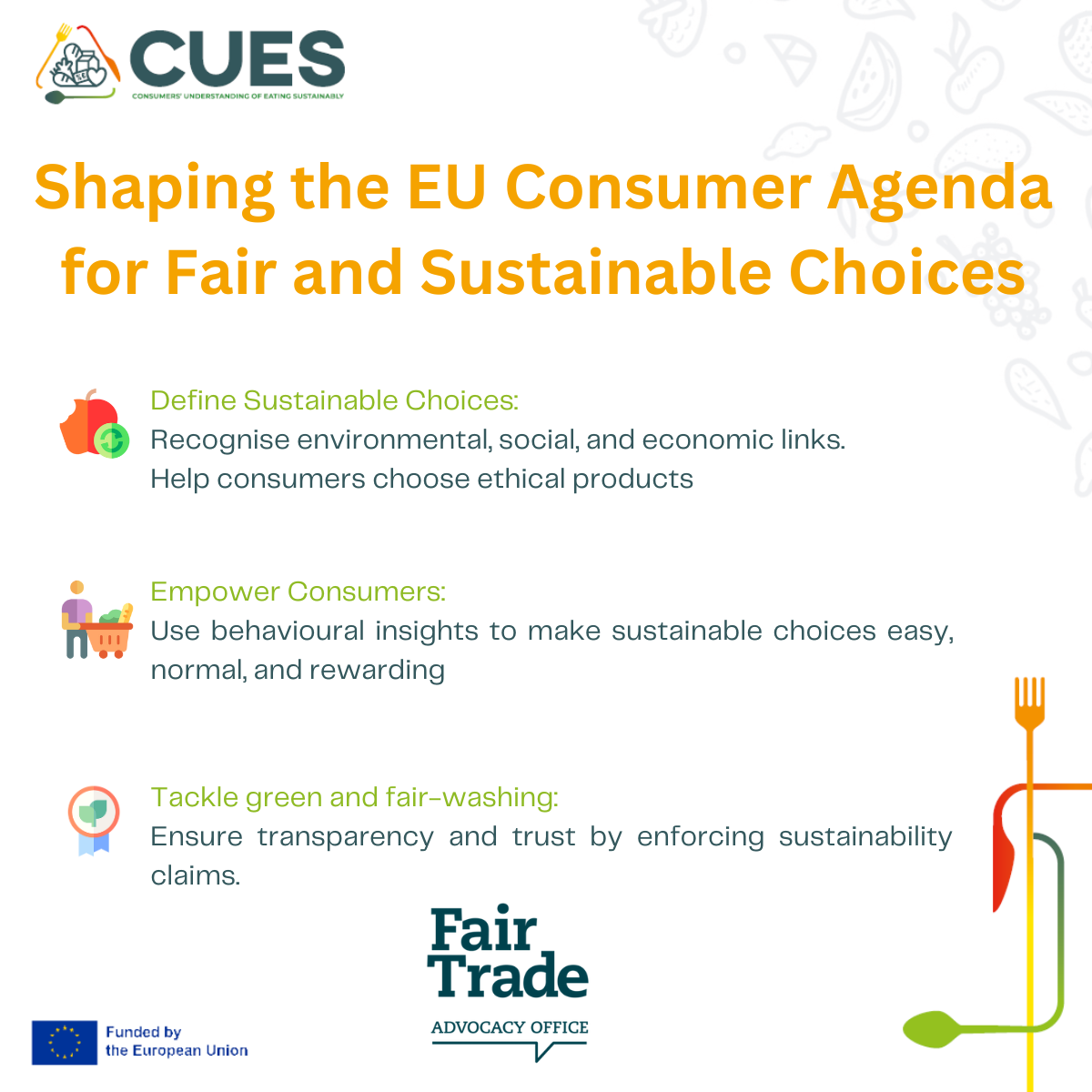
Our partner FTAO provided feedback on the European Commission’s Consumer Agenda 2025-2030. Their responses, titled “Embedding Fair Trade principles within the Consumer Agenda 2025-2030” outlines critical recommendations that resonate deeply with the core objectives of the CUES Project. The submission stresses clearer definitions of sustainability, the need to support behaviour-driven policies and the importance of tackling green-washing
Assessing Cultural and Food Value Chain Change
Erasmus University of Rotterdam has successfully conducted baseline surveys in Hungary, Italy, and Portugal, targeting populations surrounding the intervention sites. These surveys targeted key populations around the intervention locations, such as older adults, low-income individuals, and parents from minority backgrounds, to establish a foundation for measuring cultural shifts in sustainable food consumption.
During this period, Eindhoven University of Technology developed a baseline survey to assess how agri-food organisations adopt and use digital transparency tools. The survey explores tool types and goals, organisational characteristics, and factors influencing adoption, along with evaluating transparency in terms of clarity, accuracy, and information disclosure.
4th Project Meeting in Lisbon
The CUES project marked an important milestone by holding its 4th Consortium Meeting in Lisbon, Portugal, hosted by Banco Alimentar Contra a Fome. Case leaders presented their concepts and upcoming activities, while three football clubs—Sheffield United FC, Real Betis Balompié and Tampereen Ilves—shared how they will promote healthier and more sustainable diets to football fans.
An Advisory Board meeting also took place, bringing together policymakers and experts to provide insights on consumer behaviour, policy gaps, and opportunities to strengthen transparency and support small cooperatives across borders.
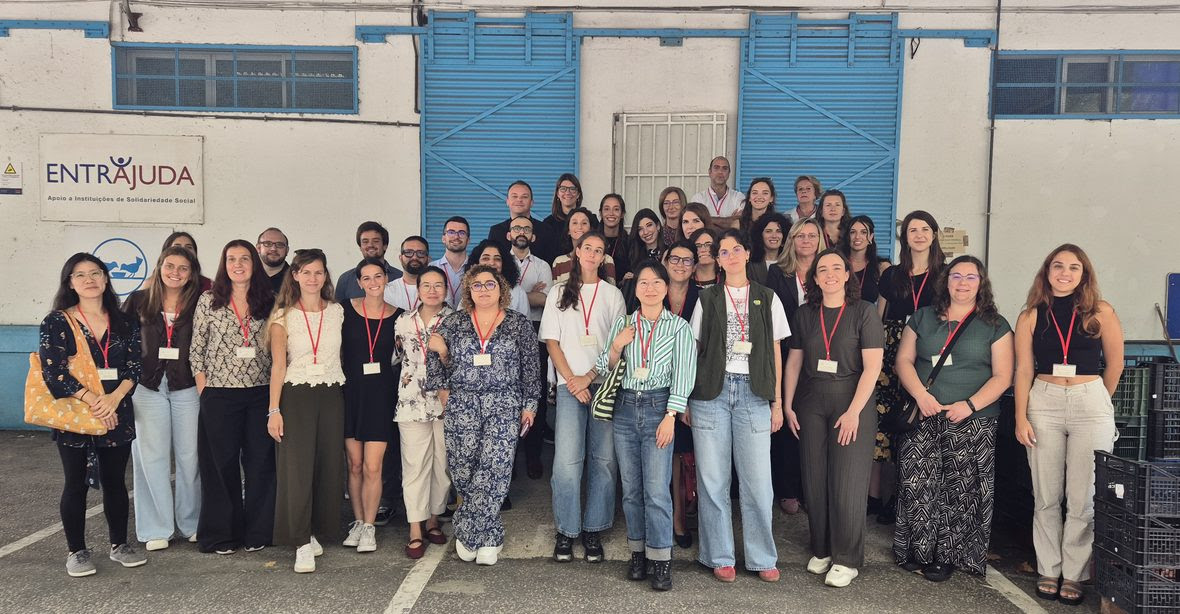
CUES on the Road
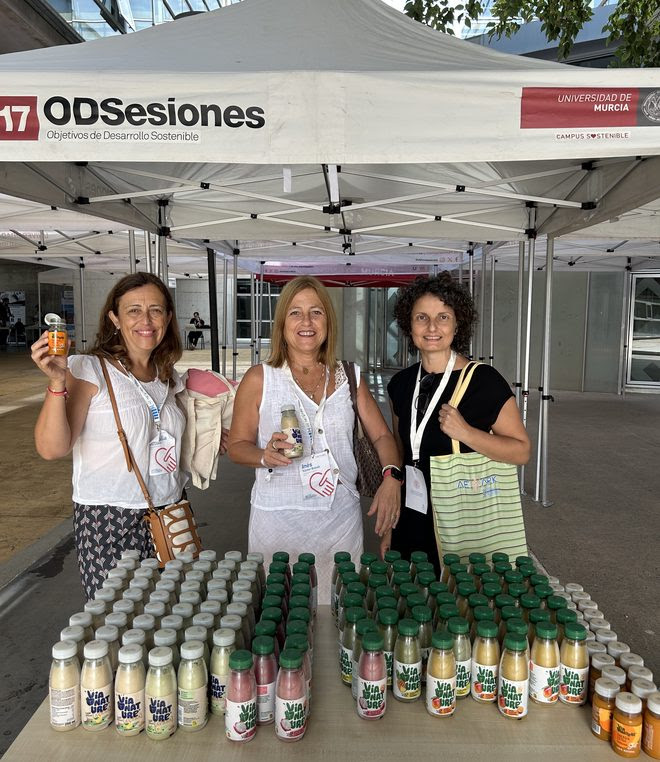 AEMARK XXXVI Marketing Conference
At the AEMARK 2025 conference, University of Valencia researchers presented a systematic review of the social drivers behind sustainable food choices. Their study examines 210 peer-reviewed articles published between 2014 and 2024.
Key take-aways include that sustainable food choices are shaped both by internal motivations and external social influences, for example, social norms, cultural background, peer behaviour, and demographic characteristics.
WOIC 2025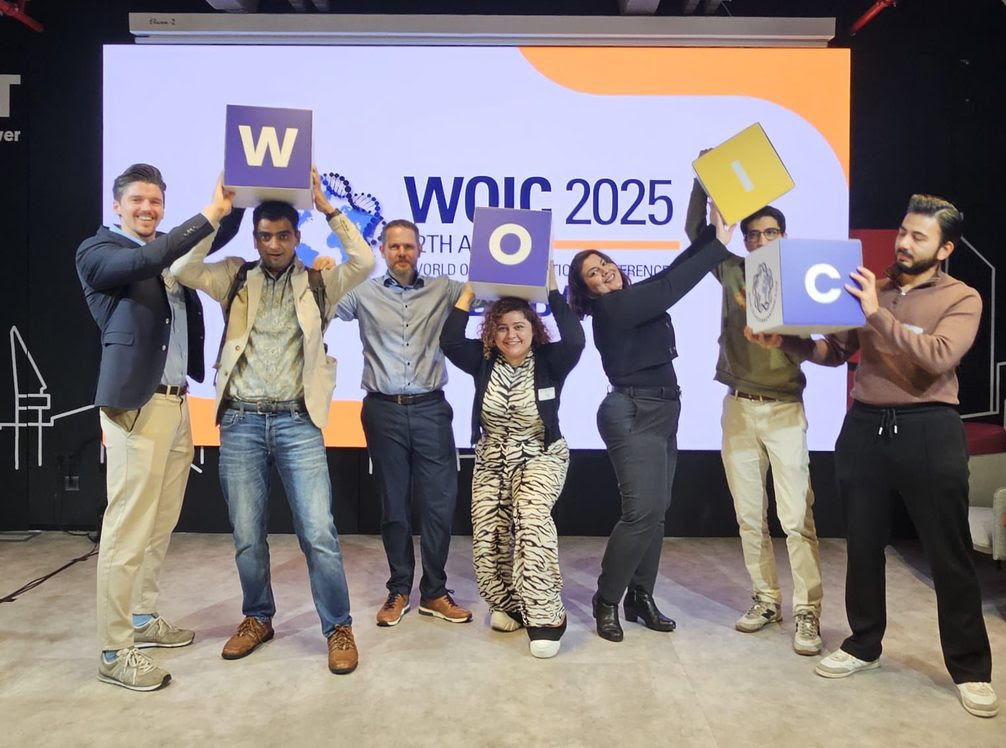
At WOIC 2025, partners from TU/e presented findings on how digital transparency technologies reshape value chain coordination and business models, based on data from more than 300 agri-food SMEs across 8 European countries.
Fostering Strong Synergies
ALLIANCE’s Final Conference
In October 2025, our synergy project, Alliance Project concluded its work with a successful final conference in Brussels. A highlight of the event was a dynamic round-table discussion where CUES represented the broader EU cluster for Food Traceability and Trust.
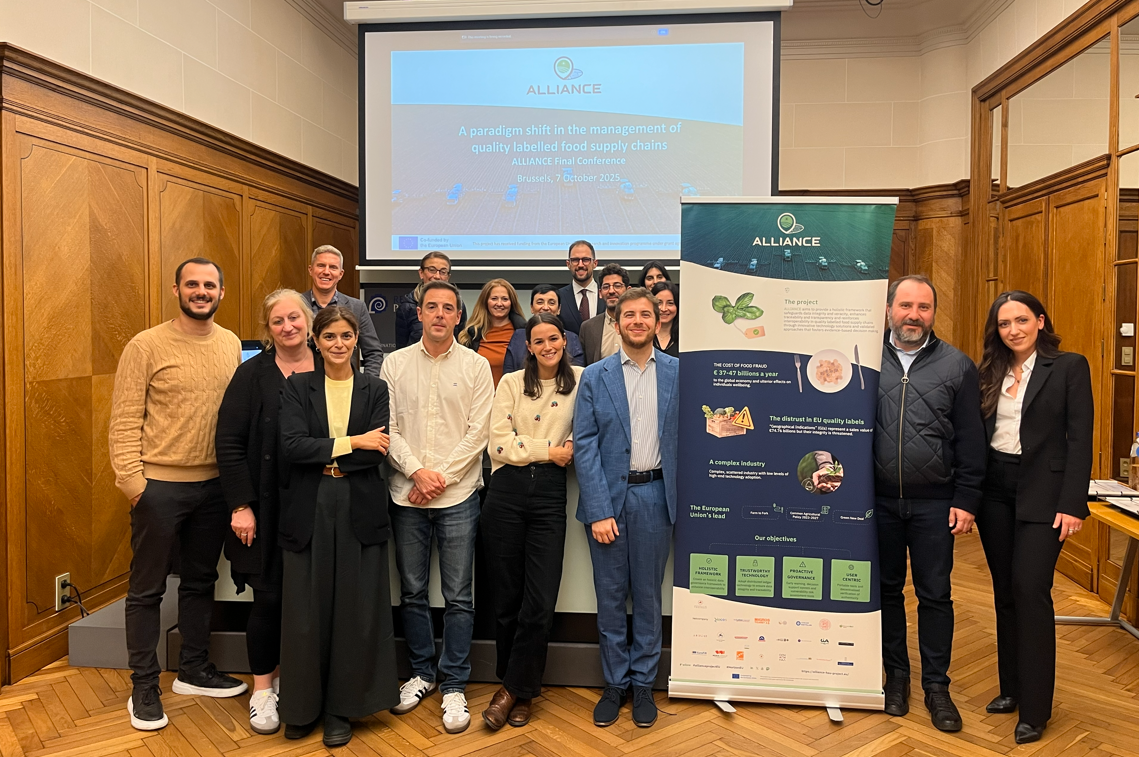
WATSON Project livestreamed event
In November 2025, KU Leuven represented CUES at the “Beating Fraud and Building Trust with Europe’s Food Detectives” event by our synergy project WATSON and was also livestreamed by Euronews. CUES was featured during the Panel: How do we ensure high quality food in Europe?
FOOD2030 Networks Conference 2025
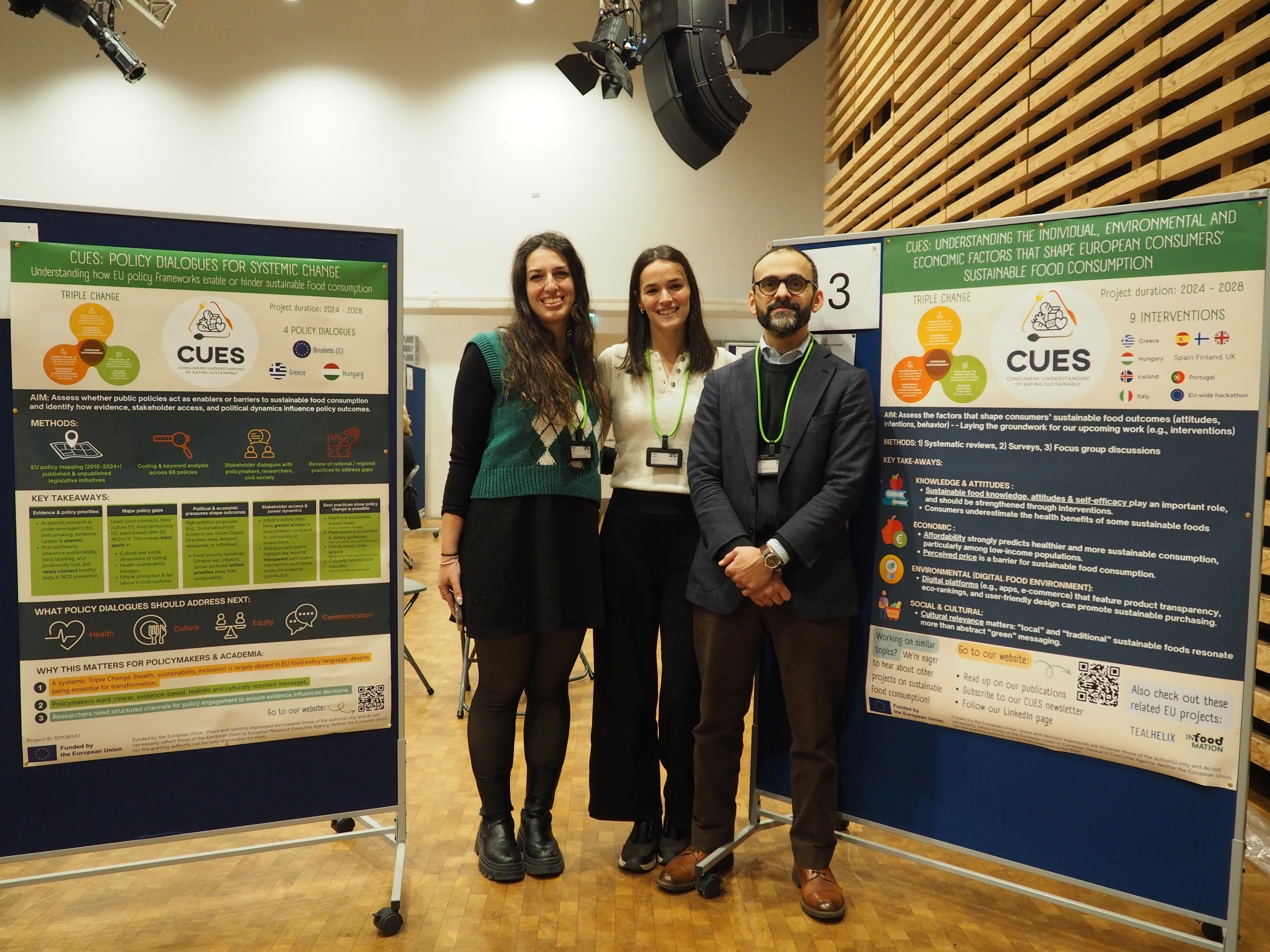
In December 2025, CUES project participated in the FOOD2030 Networks Conference 2025 – Food2030, held at the University of Copenhagen and organised by the CLEVERFOOD project.
CUES was well represented at the conference, with partners from KU Leuven, FTAO, Heidelberg University, OpenDot and ICLEI Europe joining discussions, networking sessions and collaboration activities throughout the event.
Follow CUES project on social media and visit our website to stay up to date!