
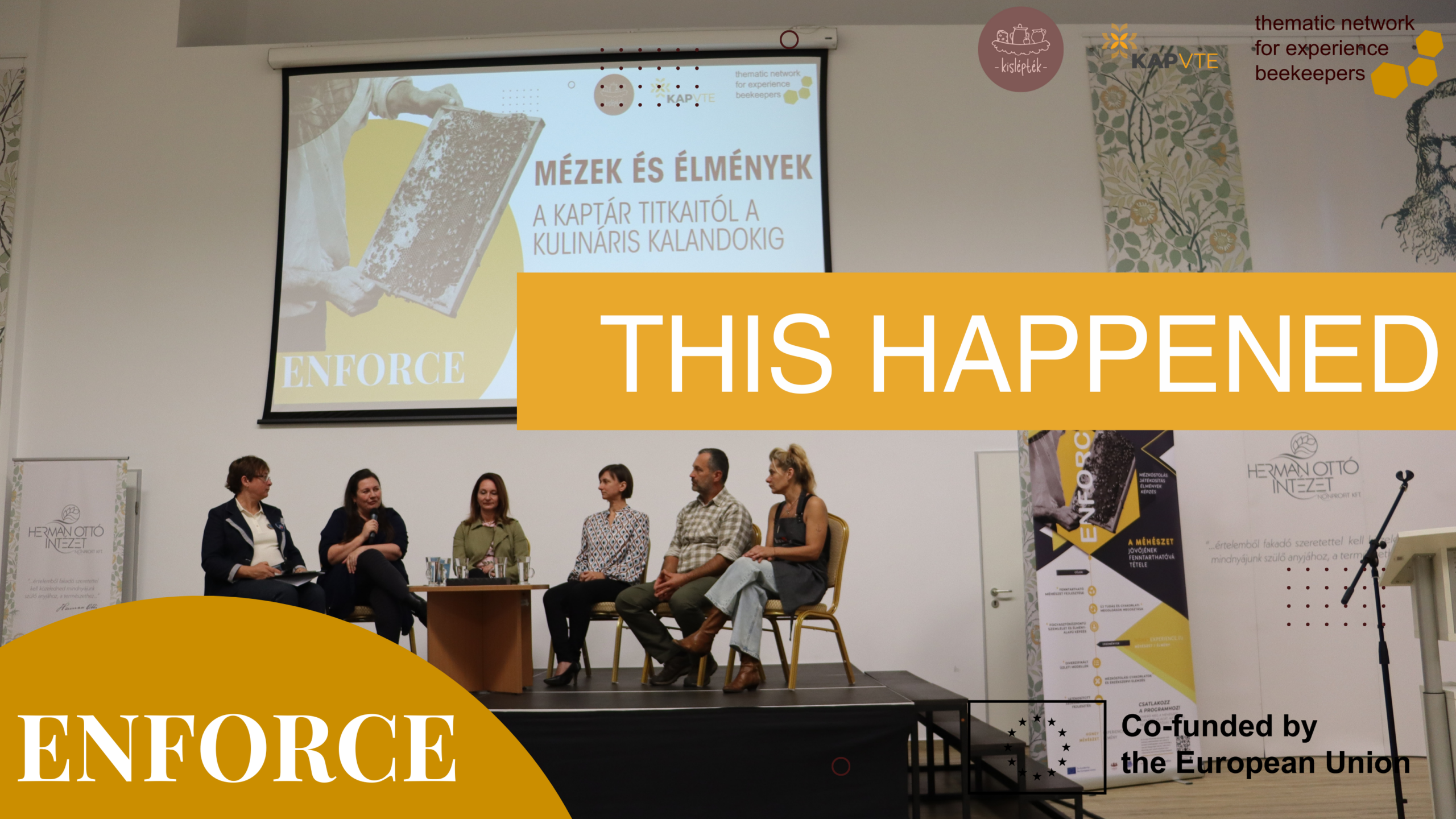
Closer to the World of Bees – New Perspectives in the Diversity of Monofloral Honeys and Taste Experiences
Beekeeping has long been a stable and respected part of rural economies and culture. Yet today, consumers are increasingly curious to understand and experience what truly happens around the hive. Interest in honey is growing not only for health reasons—many people want to discover the rich world of flavours and aromas found in monofloral honeys, and to see how beekeeping connects to gastronomy and experiential activities.
“Beekeeping is a treasure chest of experiences—we should show it to people as such.”
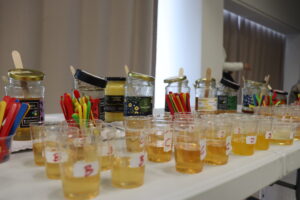
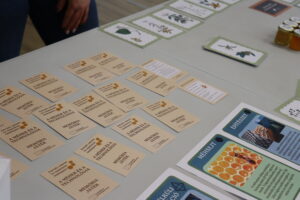
The sensory vocabulary of honey, the collection of flavour descriptors and the playful “honey flavour untangler” all help demonstrate that honey is far from being a single, uniform sweet substance. It is a complex, layered taste experience, shaped by landscape, soil and the plants the bees visit.
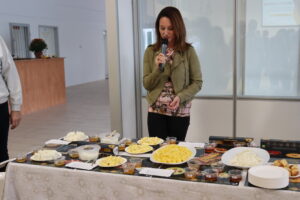
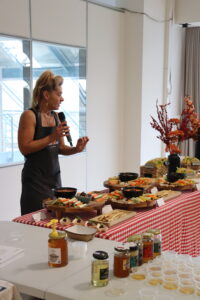
Today, the diversity of monofloral honeys has become an inspiring element for gastronomy as well. Tastings led by chefs and sommeliers clearly showthat honey can reveal fruity, floral, herbal or even slightly smoky notes—just like any other high-quality natural ingredient.
“The flavour profiles of monofloral honeys are so rich that gastronomy can connect to them in countless ways.” – as several presenters highlighted.
Experts at the conference emphasised that the future does not lie in new products or radical changes, but in strengthening experience-based ways of engaging consumers. Guided tastings, observation hives, educational programmes and apitherapy spaces all offer valuable opportunities to bring people closer to the origin of honey and to the work of beekeepers.
According to Ferenc Molnár, founder of Lilla Méze:
“Growth does not come from competing for the same buyers—it comes from offering meaningful experiences to people who have not yet discovered the diversity of honey.”
Examples presented—from Slovenia’s visually captivating experience apiaries to Hungary’s apitherapy cabins—show that visitors are happy to explore the world of bees when they can do so in a safe, engaging and personal way.
Péter Bross, President of the Hungarian Beekeepers’ Association (OMME), also stressed the importance of highlighting pollination:
“The true value of beekeeping lies in pollination and in our connection with nature. We must show qualities that cannot be replaced or imported.”
Gastronomic pairings and the structured flavour descriptor system offer new opportunities for beekeepers—not by inventing new products, but by presenting the origin, diversity and sensory richness of honey in a conscious, experience-based way. A citrus lemonade paired with a fruity honey, a coffee topped with pollen, or a simple honey-tasting game can all create memorable moments that build long-term consumer engagement.
The roundtable discussion focused on the opportunities within agritourism and the culinary use of honey, with contributions from beekeepers, food industry professionals and a chef.
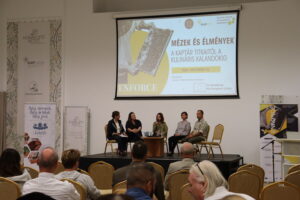
The key message of the professional gathering was clear: the values of beekeeping are already here—they simply need to become more visible. The diversity of honey, the distinctive flavour profiles of monofloral varieties, the importance of pollination and the personal stories of beekeepers are all experiences that more and more consumers are eager to explore.
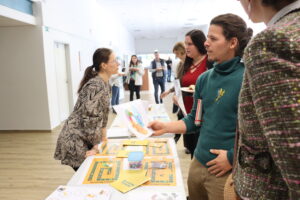
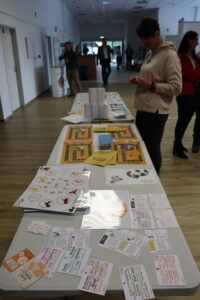
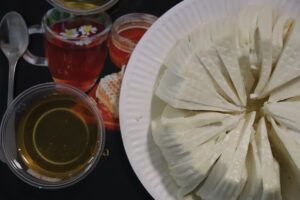
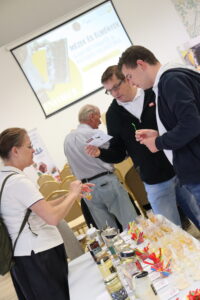
Throughout the entire programme, participants were able to test and give feedback on the tools developed within the ENFORCE project. They also had the chance to try honey-and-cheese pairings and other food combinations.
 |
 |
 |
 |
 |
 |
 |
 |
This programme was implemented within the ENFORCE Erasmus+ project.
Project number: 2023-1-HU01-KA220-VET-000152590